|
|
|
Community relationships are the interactions between different species living in the same environment. Animals in a food chain interact with each other in different ways, and these interactions can be described in terms of how the animals affect each other.
Symbiosis is a term used to describe two animals living closely together in a community. Symbiosis can impact positively, negatively, or not affect the species involved at all.
The types of symbiosis found in a community are as follows;
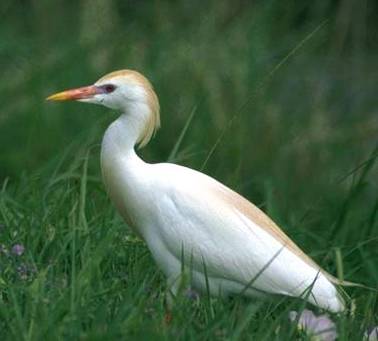 |
Commensalism is found where one species benefits by interaction with another, who is unaffected by the first animal, as with cattle egrets and cattle. The cattle disturb the grass, and insects fly out for the birds to eat. |
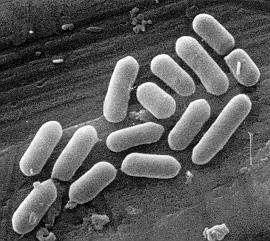 |
Mutualism is a relationship between two species in which both species gain. There are many examples of mutualism, especially gut bacteria, which gain a constant food source, and help their owners digest food efficiently. Bees and flowers are another great example. Bees pollinate the flowers, whilst getting a great feed of pollen to take home to their hives. |
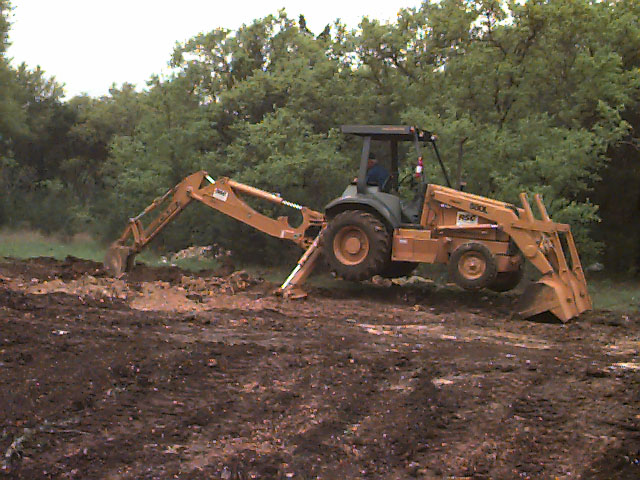 |
Amensalism is where one species is not affected, whilst the other suffers as a result of their interactions. A point to ponder… people often have a negative effect on other species, but are unscathed as a result of interaction (destruction of habitat etc). |
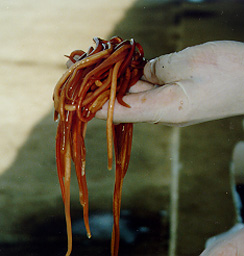 |
Parasitism is the interaction between parasites and their hosts. Parasites gain in their interactions with other species. Worms, ticks, mosquitos, fleas, lice, mites, fungi, and bacteria are some examples of common parasites. |
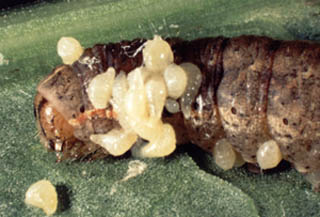 |
Parasitoidism occurs when an insect lays its eggs on a host for it’s larvae to consume. The larvae, normally from a fly or wasp species, gain in this instance often killing the host. The caterpillar shown is infected with wasp larvae. Some parasitoids have been used as a biological control mechanism. |
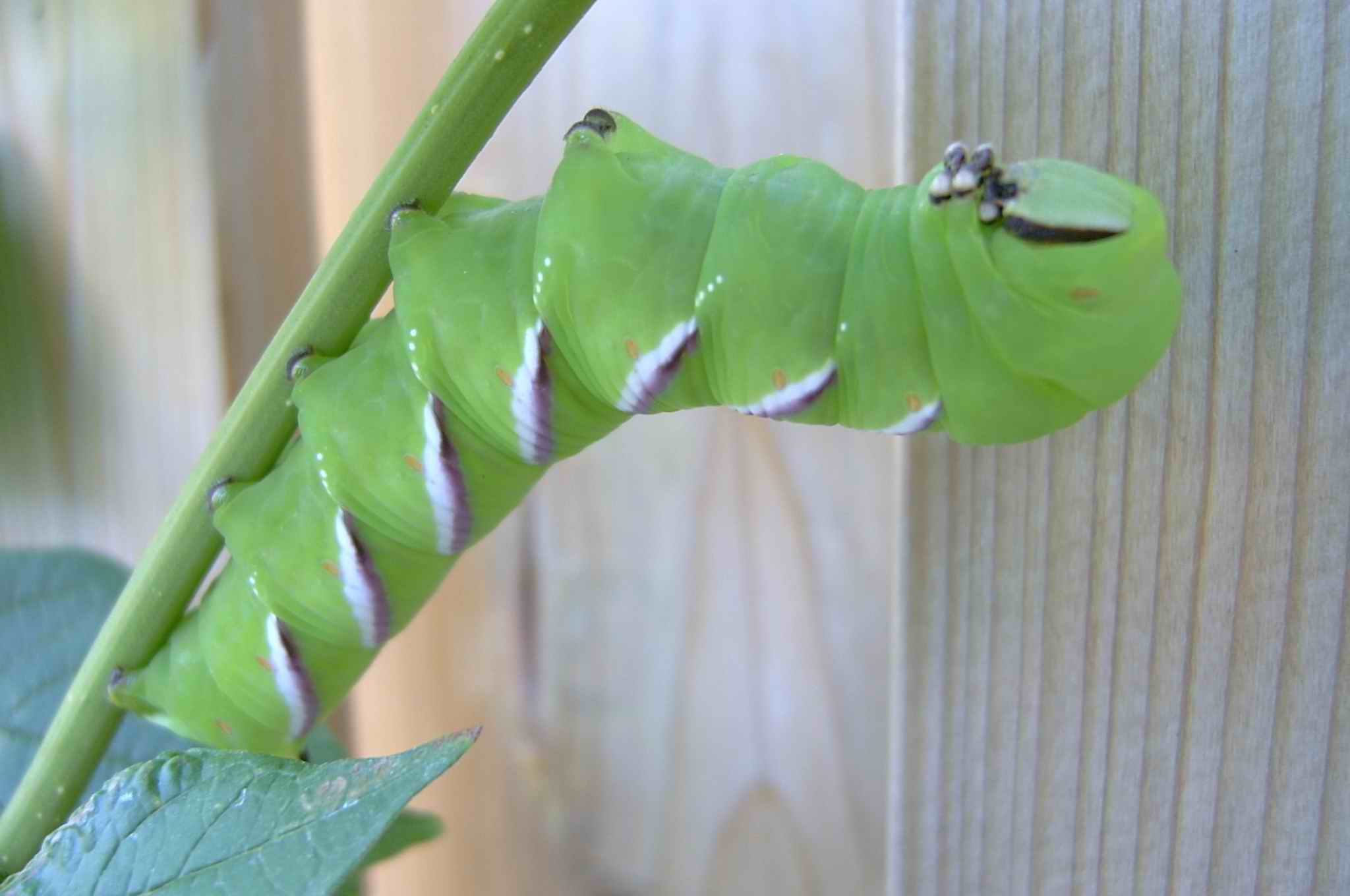 |
Herbivory is when a plant species is eaten by a herbivore or omnivore. The plant loses, and the plant eater gains from their interactions. |
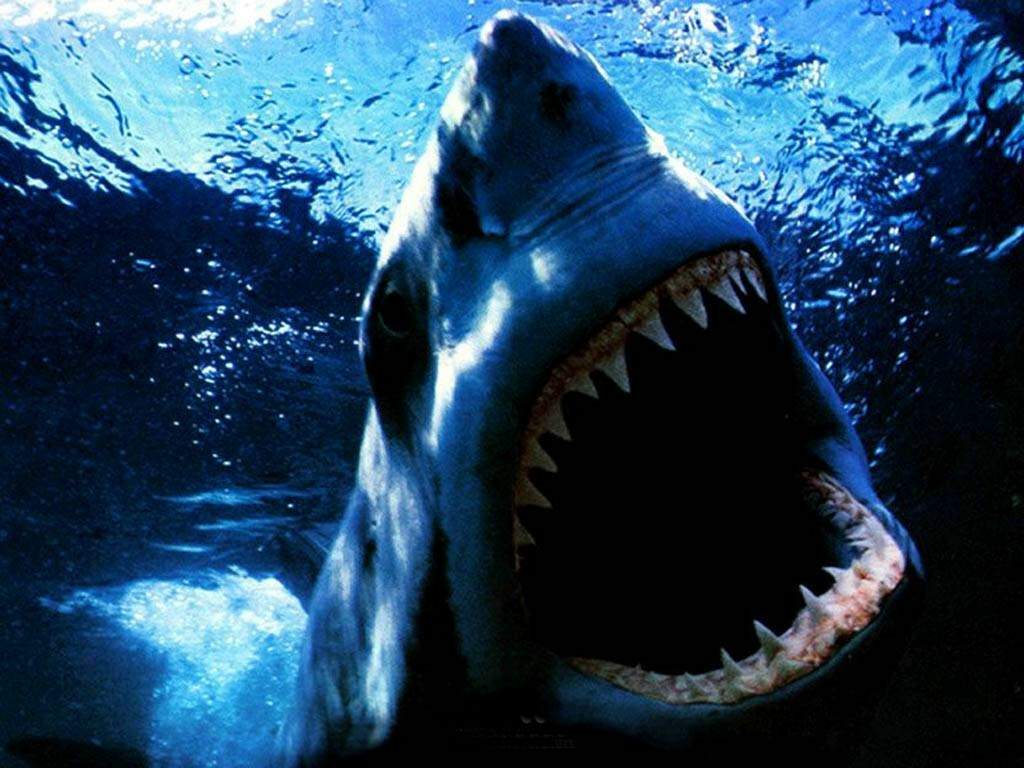 |
Predation is when one species preys directly on another. The predator gains, while the prey animal loses. |
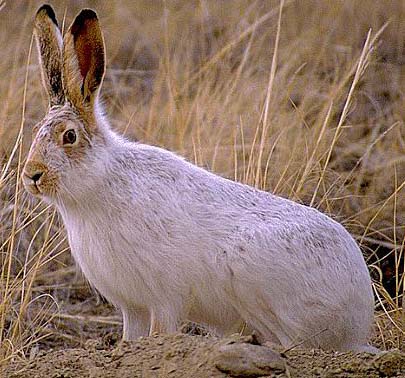 |
Competition occurs when two species compete for the same resource, or when one species interrupts the vital functions of another. Both species suffer as a result of their interactions. Frequently two animals compete for the same resource, i.e. Cattle and kangaroos compete for grasslands. |
|